
Hidden Cult Sweatsuit vs Tracksuit: Which One Fits Your Style?
The terms sweatsuit and tracksuit get tossed around like they mean the same thing, but anyone who’s worn both knows they’re built for different moods. One leans into comfort and casual ease, the other carries a sharper, athletic edge.
We design pieces that blur those lines on purpose — our sets pull from both worlds depending on how you style them. This guide walks through the real differences in fabric, fit, and feel so you can decide which one belongs in your rotation.
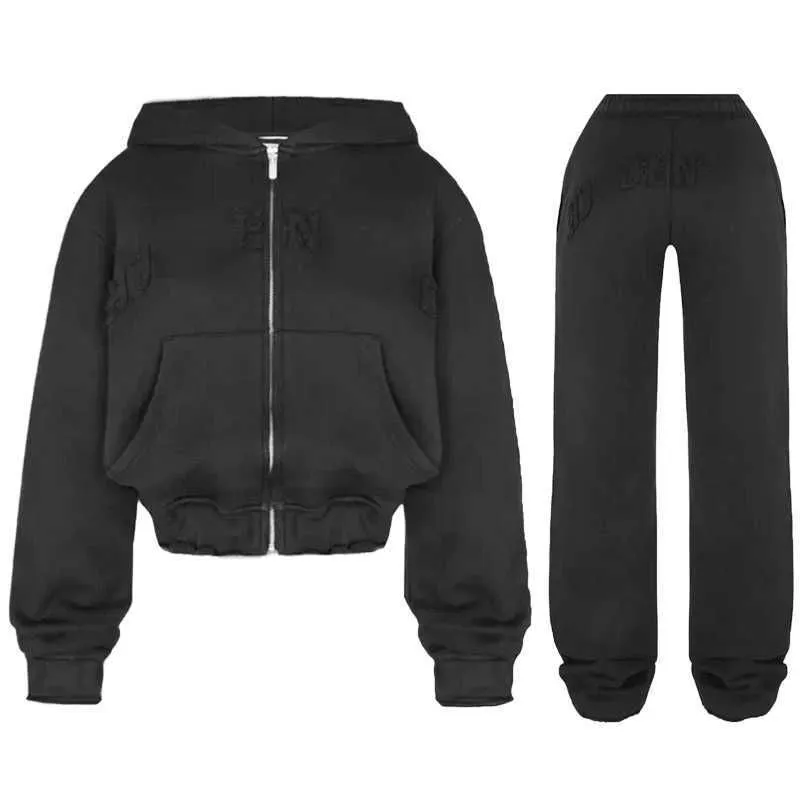
Fabric Weight and Drape
Sweatsuits are almost always built from heavier fleece or looped cotton — the kind that sits dense on your frame and holds warmth without much layering. The fabric has a soft hand and a relaxed drape that makes it feel closer to loungewear than sportswear.
Tracksuits lean lighter, often using polyester blends or nylon shells that move fast and dry faster. The fabric has a slick finish and a tailored structure that keeps its shape even after hours of wear. If you’re choosing between our zip-up styles, pay attention to the shell — some are built with that tracksuit snap while others lean into the plush sweatsuit vibe.
The weight difference matters most when you’re layering or moving between indoor and outdoor spaces. A heavyweight sweatsuit anchors your fit; a lighter tracksuit lets you peel layers or throw it over a tee without bulk.
Silhouette and Intended Look
Sweatsuits err on the side of loose and unstructured — elastic cuffs, drawstring waists, and a generous cut through the body. They read casual by default, which is why they work so well for off-duty looks or weekend errands.
Tracksuits come with more deliberate tailoring. The tracksuit silhouette typically narrows at the ankle and runs slimmer through the leg, giving it a sharper profile that holds up in more polished contexts. The jacket often features a standing collar and full zip, details that tip the aesthetic toward sportswear heritage.
If you want to dress it up slightly, a tracksuit lets you pair with clean sneakers or minimal accessories without fighting the garment’s natural shape. A sweatsuit demands more styling effort to pull off anything beyond laid-back.
When Each One Works Best
Sweatsuits excel when comfort is the top priority — flights, late-night studio sessions, or simply refusing to compromise warmth for style. They’re forgiving on the body and easy to move in, which is why they’ve become shorthand for cozy.
Tracksuits shine when you need versatility. The same set works for a morning run, a quick grocery trip, and an afternoon meeting if you swap the sneakers. The athletic cut and technical fabric keep the look intentional rather than accidental.
We see people pair tracksuits with our jacket layers when the weather turns, or swap the bottoms for cargo pants to shift the vibe entirely. A sweatsuit doesn’t usually invite that kind of mixing — it’s a complete look on its own.
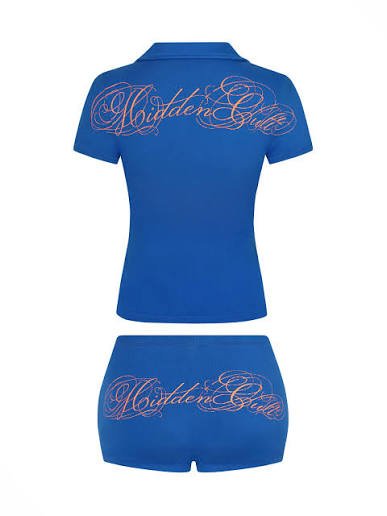
Durability and Care
Heavyweight sweatsuit fabric holds up well to repeated washing but pills faster if you’re rough with it. The inside fleece can mat down over time, especially around high-friction zones like the inner thighs or underarms.
Tracksuit materials — especially synthetic shells — resist fading and wear better across dozens of cycles. The trade-off is that they can snag more easily on rough surfaces or sharp edges. If you’re machine-washing either, flip them inside out and skip the dryer to preserve the shape and finish.
Both styles benefit from cold water and a gentle detergent. Avoid fabric softener on tracksuits; it can leave a residue that interferes with moisture-wicking properties.
Finding the Right Fit for Your Rotation
Sweatsuit or tracksuit — the choice comes down to how you move through your day and what you need the set to do. If warmth and ease top the list, a heavyweight sweatsuit delivers without compromise. If you want something that transitions between contexts and holds a sharper line, a tracksuit fits the bill.
We build both with the same attention to detail because we know people reach for different pieces depending on the week, the weather, and the vibe. The best wardrobes make room for both instead of forcing a single answer.
Common Questions About Sweatsuits and Tracksuits
Not always. A sweatsuit codes as casual and comfort-first, so it fits best in relaxed settings. A tracksuit carries a sportier, more structured look that works in a wider range of contexts, including situations where you want to appear intentional rather than off-duty.
The fabric and cut make the difference — tracksuits hold their shape and read as put-together even when you’re moving fast.
Sweatsuits almost always trap more heat because of the heavyweight fleece lining. Tracksuits are built for breathability and movement, so they shed warmth faster and work better in milder weather or when you’re layering.
If you run cold, stick with a sweatsuit. If you overheat easily or plan to stay active, a tracksuit keeps you comfortable without overheating.
It depends on the fabric. Cotton-heavy sweatsuits can shrink noticeably in a hot dryer, while synthetic tracksuit materials usually resist shrinking but can lose their shape if exposed to high heat.
Both do best with air drying or low tumble settings. Check the care label before washing — some blends are more forgiving than others.
You can, but the texture and sheen differences will show. A fleece sweatshirt paired with sleek tracksuit pants creates a deliberate contrast that works if that’s the look you’re after.
If you want a cohesive set, stick with pieces from the same family. Mixing fabrics only works if the color palette and proportions align tightly.
Tracksuits generally outlast sweatsuits in terms of fabric integrity — the synthetic blends resist pilling and fading better than cotton fleece. Sweatsuits feel softer out of the box but show wear faster, especially around seams and elastic.
Both benefit from proper care. If you want longevity, wash inside out, skip the dryer, and avoid abrasive surfaces.